
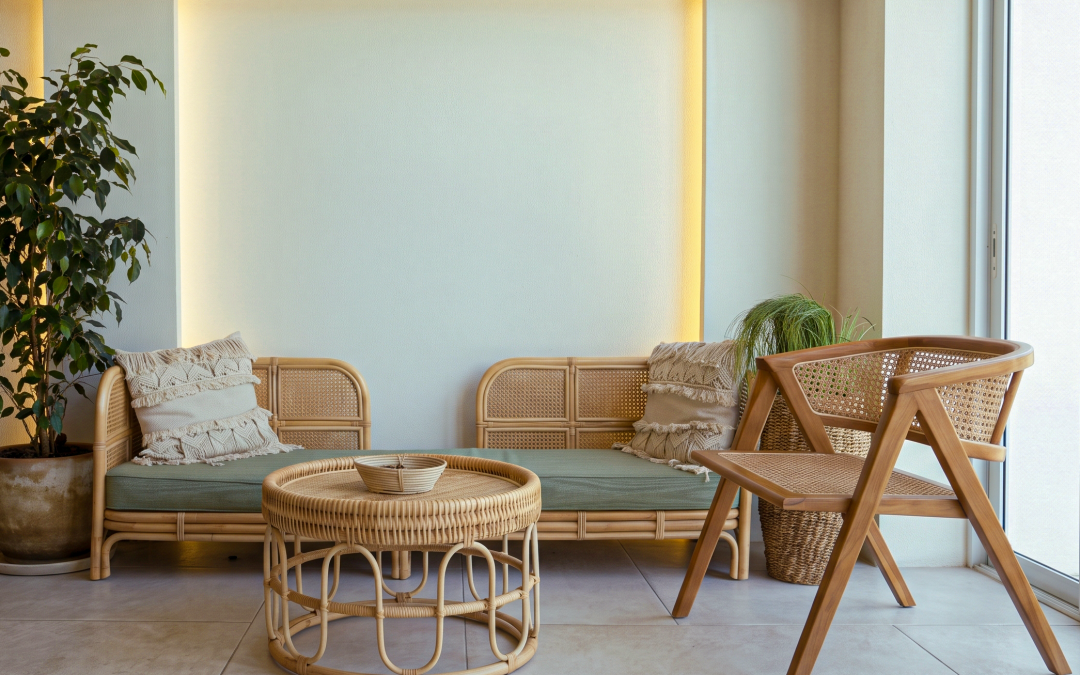
Decoding Boho Furniture Meaning begins with understanding a lifestyle rooted in artistic freedom and non-conformity. In interior design, this phrase represents more than simple home styling. Instead, it describes an expressive design philosophy that celebrates global wanderlust, relaxed comfort, and authentic self-expression. Today, homeowners worldwide choose boho furniture to create inviting, soulful living environments.
Definition and Philosophy of Boho Furniture
The word “Boho” derives from “Bohemian,” an old French term historically linked to nomadic Romani travelers. During nineteenth-century Paris, struggling artists and writers embraced this label to champion counter-cultural lifestyles. Consequently, the bohemian movement prioritized creativity and spiritual wealth over rigid bourgeois standards.
In modern furniture design, this philosophy translates into an eclectic aesthetic. Modern boho furniture rejects sterile minimalism and strict symmetry. Instead, it honors artisan craftsmanship, imperfect textures, and storied items collected across different cultures.
Unique Characteristics of Boho Furniture
Boho furniture carries distinct visual traits that set it apart from conventional decor:
- Organic Raw Materials: Craftsmen primarily use rattan, wicker, bamboo, solid reclaimed wood, and jute.
- Rich Layered Textures: Pieces feature macrame weaves, fringed linen, distressed leather, and textured boucle.
- Warm Earthy Palettes: Designers blend warm terracottas, sage greens, and ochres with subtle jewel-toned accents.
- Eclectic Cultural Patterns: Distinct textiles showcase Moroccan tribal motifs, Turkish kilim weaves, and floral block prints.
Advantages of Bohemian Style in the Furniture Industry
First, bohemian design provides unmatched styling versatility. You can effortlessly mix a vintage rattan credenza with sleek modern accent pieces. Moreover, boho furniture promotes sustainable consumer habits. Artisans frequently build these pieces by hand using renewable raw materials and upcycled timber. In addition, the style resists fast design trends because organic textures remain universally timeless.
Care and Maintenance Guidelines
Proper care preserves the organic beauty of bohemian furniture over many years:
- Dust Woven Fibers Regularly: Use a soft-bristled brush or a microfiber cloth to remove dust from rattan crevices.
- Control Indoor Humidity: Natural woods expand and contract, so maintain balanced humidity to prevent cracking.
- Shield from Direct Sunlight: Prolonged ultraviolet exposure fades woven fibers and dries out natural rattan.
- Clean Spills Promptly: Always wipe liquid spills immediately with a damp cloth to prevent stubborn stains.
Spatial Benefits in Modern Interiors
Integrating boho furniture instantly softens harsh architectural angles in modern apartments. Furthermore, the light framework of rattan and wicker creates airy sightlines, making compact rooms feel visibly larger. The diverse tactile materials also introduce depth and sensory richness. As a result, any plain room transforms into an intimate, tranquil sanctuary.
The Meaning of Spatial Arrangement with Boho Furniture
Arranging a room with boho furniture carries profound psychological significance. Traditional interior design often enforces rigid symmetry and sterile perfectionism. In contrast, bohemian space planning prioritizes emotional comfort, relaxed social connections, and mindful living. Low seating, cozy floor poufs, and open shelving encourage informal gatherings and authentic storytelling. Ultimately, your space becomes a living reflection of your personal journey rather than a generic catalog page.
Decoding Boho Furniture Meaning leads to one central truth your home should tell your personal story without boundaries. Boho furniture invites you to celebrate natural materials, slow craftsmanship, and joyful individuality. By embracing this mindful aesthetic, you craft a soulful sanctuary that feels effortlessly welcoming every day.
