
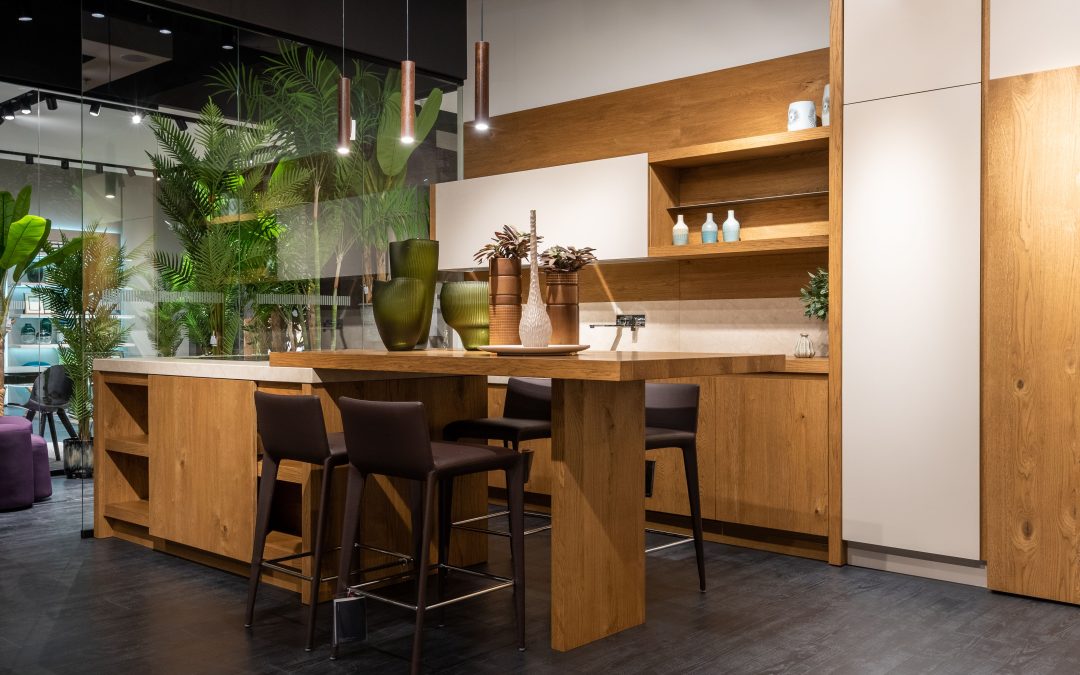
Choosing the right surface for meal prep, casual dining, and family gatherings often comes down to one central layout debate: dining table vs kitchen island. While both fixtures serve as focal points in open-plan interiors, they shape room traffic, daily routines, and entertaining styles in fundamentally different ways.
From a homeowner’s practical perspective, understanding the nuances of a dining table vs kitchen island ensures your space balances comfortable prolonged seating with workflow efficiency. Below is an in-depth breakdown of how these two centerpieces compare across mobility, social dynamics, and spatial utility.
1. Mobility and Spatial Flexibility
The structural footprint of your furniture dictates how easily your floor plan can adapt to changing needs over time.
- Dining Table: A traditional dining setup is freestanding, lightweight, and versatile. Because it is not tethered to flooring, plumbing, or electrical conduits, you can slide it outward during holiday banquets, reposition it diagonally, or replace it entirely when redecorating. It also simplifies deep cleaning routines in open living zones.
- Kitchen Island: A kitchen island functions as a fixed visual anchor and an architectural partition, creating a clear division between cooking zones and living areas. As highlighted in spatial planning guides by Architectural Digest
, fixed center islands streamline kitchen work triangles by defining perimeter walkways, though they sacrifice the physical flexibility to rearrange the room later.
2. Social Dynamics and Seating Comfort
How your family interacts during meals depends heavily on counter heights, chair profiles, and seating postures.
Dining Table: Designed specifically for prolonged, relaxed seating at a standard height of 28 to 30 inches (71 to 76 cm). Paired with ergonomic dining chairs, it promotes intimate, eye-level conversation. This setup remains unmatched for formal dinners, multi-course holiday meals, evening board games, or focused remote work on a laptop. If you want to explore comfortable proportions for extended gatherings, browse our handcrafted solid teak dining sets
engineered for long-term comfort.
Kitchen Island: Typically built at counter height (36 inches / 91 cm) or bar height (42 inches / 106 cm), paired with counter stools. The island excels at fast-paced, dynamic engagement: grab-and-go morning breakfasts, kids finishing homework while an adult prepares dinner, or guests sipping appetizers right across the cooktop. It keeps the cook involved in the conversation rather than isolated behind a wall.
Deciding between a dining table vs kitchen island does not always require choosing one over the other. In expansive open layouts, integrating both—using the island for weekday morning routines and a solid wood dining table for relaxed evening dinners—delivers the ultimate balance of utility and hospitality. For narrower footprints, prioritize whether your household values concealed kitchen storage or the ergonomic comfort of extended sit-down dining.
